

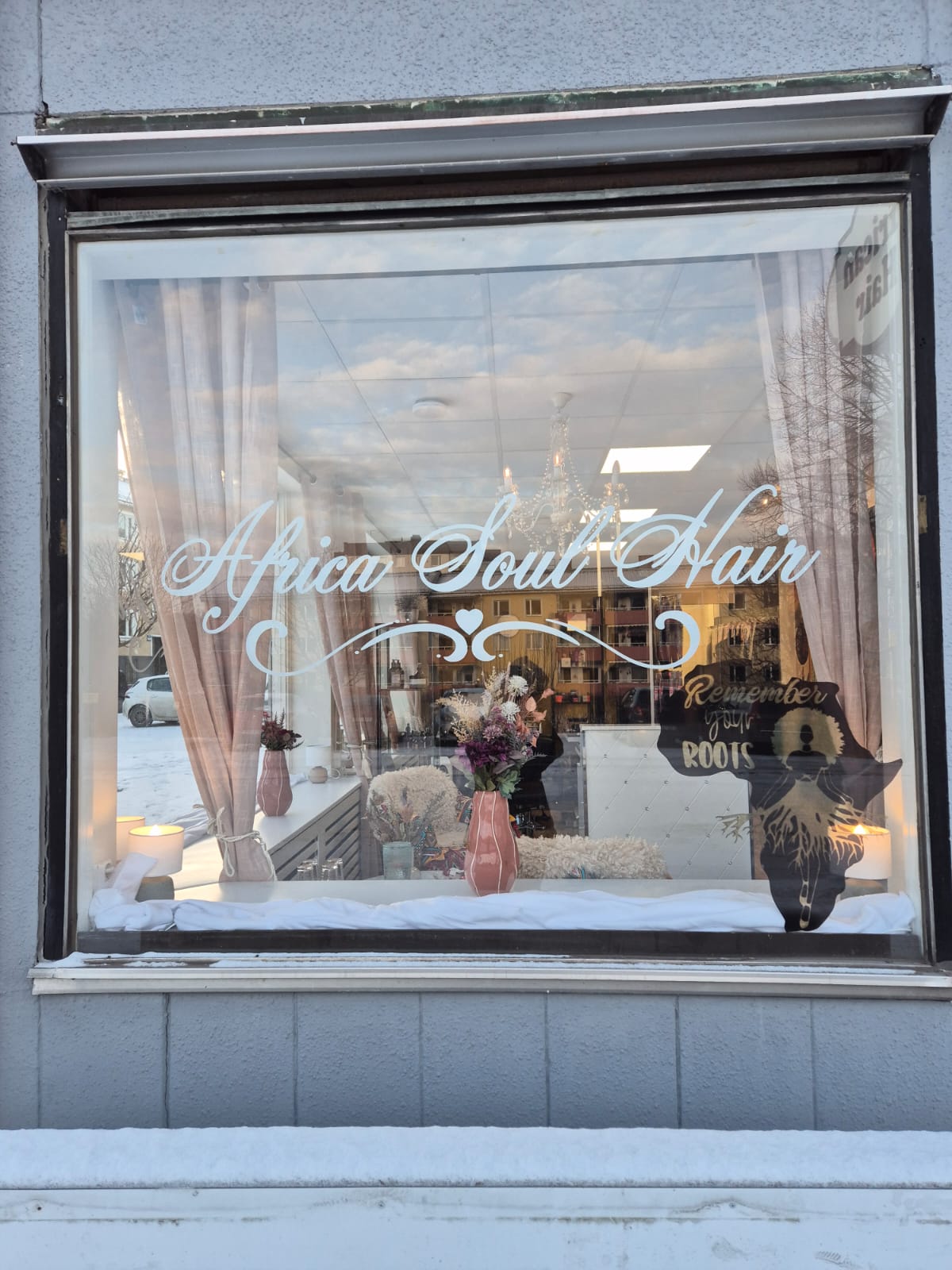
Braiding is more than just a hairstyle—it’s an ancient art form, a cultural tradition, and a means of storytelling that has spanned thousands of years. From intricate African tribal braids to Viking warrior styles, braiding has played a significant role in societies across the globe. Let’s take a journey through the fascinating history of braids.
Ancient Beginnings
The origins of braiding can be traced back over 30,000 years, with some of the earliest evidence found in the Venus of Willendorf statue, which depicts a female figure with braided hair. Ancient civilizations, including the Egyptians, Greeks, and Native Americans, used braids not only for aesthetics but also for social and spiritual significance.
Egypt (3100 BCE – 332 BCE): Braids were a symbol of status and wealth. Elaborate styles, often adorned with gold and beads, were worn by royalty like Cleopatra. Commoners used simpler braids for practicality in the hot climate.
Greece (500 BCE – 300 BCE): Greek women styled their hair in intricate braids, sometimes decorated with ribbons and jewels. The “Greek braid” (a crown-like style) remains popular today.
Native American Tribes: Many tribes, such as the Hopi and Navajo, used braids to signify marital status, tribe affiliation, and even warrior achievements.
Braiding in Africa: A Cultural Legacy
African braiding is one of the most diverse and deeply rooted traditions in hair artistry. Different styles held meanings tied to age, religion, and social status.
Fulani Braids: Originating from the Fulani people of West Africa, these braids are thin, long, and often accessorized with beads and cowrie shells.
- Cornrows: Dating back to 3000 BCE in the Horn of Africa, cornrows were not just a style but also a form of communication—some patterns could indicate escape routes for enslaved people.
- Dreadlocks: Worn by the Maasai warriors and ancient Ethiopian priests, locs symbolized spiritual devotion and strength.
Braids in Europe and Asia
- Vikings (800–1066 CE): Both men and women wore braids, often intertwined with beads and leather, to signify strength and nobility.
- China (1600 BCE – present): Traditional Chinese braids, like the queue, were mandated during the Qing Dynasty as a sign of loyalty.
- India: Braids have spiritual importance in Hinduism, with long, decorated plaits symbolizing femininity and marital status.
Braids in the Modern Era
During the Transatlantic Slave Trade, braiding became a survival tool—enslaved Africans used braids to hide seeds and maps for escape. In the 1960s and 70s, the Black Power Movement revived traditional African braiding as a symbol of pride and resistance.
Today, braids remain a powerful form of self-expression, from box braids and Senegalese twists to French braids and fishtails. They continue to honor heritage while evolving with modern trends.
Final Thoughts
Braiding is a timeless tradition that connects us to our ancestors. Whether for beauty, culture, or identity, braids tell a story—one that continues to be written with every new style.
Leave a Reply